E-mail:
tina@yuzechemical.com
Contact: Tina Pan
Email: tina@yuzechemical.com
Wechat: +8618660611992
Whatsapp: +8618660611992
Address: Xinxing Village, Dajiawa Street, Binhai Economic Development Zone,Weifang City ,Shandong Province,China.
Website: www.wfyuzehg.com
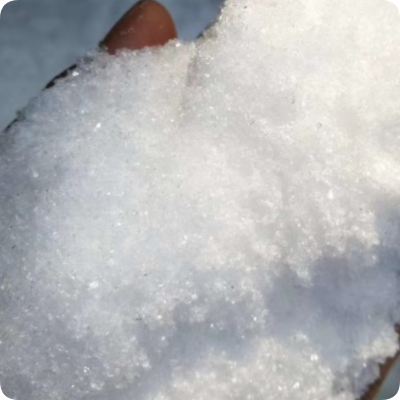
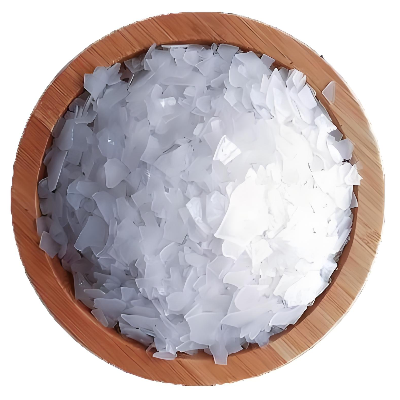
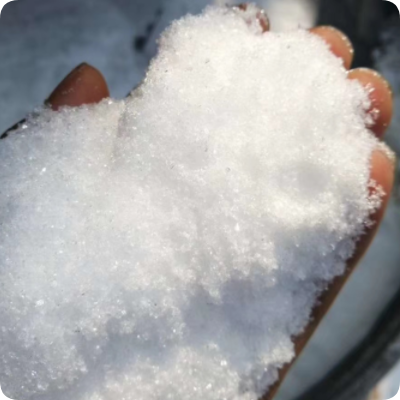
Sodium chloride, magnesium chloride, calcium chloride, potassium chloride, and mixed snow melting agents (blended from the above salts in certain proportions with corrosion inhibitors and other additives).
1. Soil: Chloride ions accumulate year on year, triggering soil salinization and compaction, displacing calcium and potassium nutrients, reducing soil microbial activity and altering soil properties. (Note: magnesium chloride is also applied for soil stabilization in construction and mine sites.)
2.Groundwater: Chloride ions infiltrate easily, contaminating groundwater. When entering water bodies, they harm aquatic organisms and leave persistent residues that are difficult to eliminate.
3.Vegetation: Salinity creates physiological drought for plant roots; chloride ions exert toxic effects on vegetation, resulting in scorched leaf margins, stunted growth and even plant death in severe cases.
4.Corrosion: Heavy duty application causes corrosion to concrete surfaces and steel reinforcement.
1. snow melting magnesium chloride features lower corrosion than calcium chloride and sodium chloride, bringing fewer side effects and less damage to road surfaces and bridge components.
2. Proper dosage can benefit plant growth. Magnesium is an essential element for plant photosynthesis. Hexahydrate magnesium chloride can be used as fertilizer for crops.
3. Excellent low temperature snow melting performance: effective at 10℃ to 15℃ with fast ice melting speed, compatible with mechanical snow removal operations.
4. Certain dust suppression effect. Owing to its inherent hygroscopic property, magnesium chloride binds floating dust to the ground and reduces dust re suspension.
Above is an overview of environmental effects of snow melting magnesium chloride shared by our magnesium chloride factory Yuze Chemical. It shows both advantages and drawbacks. As a mid tier snow melting material, magnesium chloride delivers milder adverse impacts compared with sodium chloride and other snow melting salts.
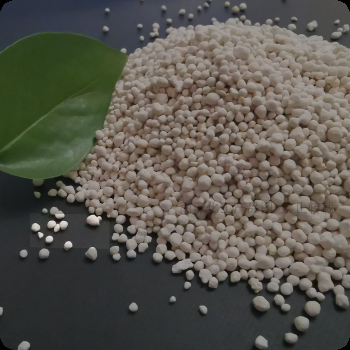
Calcium Magnesium Acetate (CMA) is an organic salt, chloride free snow melting agent. It eliminates chloride accumulation risks fundamentally and is globally recognized as an eco friendly snow melting product
1.Soil Compatibility: Acetate radicals are fully biodegraded by soil microbes into CO₂ and water without persistent non degradable residues. It achieves ≥60% biodegradation rate within 28 days under OECD301B test standard and complies with Chinese national standard GB/T38509 2020 for eco friendly snow melting agents. Biodegradation releases calcium and magnesium beneficial secondary nutrients for soil. It will not displace potassium or calcium nutrients, induce secondary salinization or damage soil aggregate structure. No soil compaction or degradation occurs even after long term application.
2.Groundwater & Aquatic Safety :Zero chloride formulation prevents groundwater chloride contamination. Acetate radicals degrade within top layer soil and barely leach into aquifers. It features low aquatic toxicity with minimal hazards to fish, shrimp and plankton, making it suitable for roads near water source reserves and landscape rivers or lakes.
3.Vegetation Friendly Performance: Free of chloride ion toxicity and osmotic salt stress. Under normal spreading dosage, road side trees, shrubs and lawns rarely suffer leaf scorch or withering. Even snow melt runoff flowing into green belts brings no lasting salt damage risks. Ideal for parks, scenic spots and municipal landscape roads.
4.Additional Advantages & Limitations:
① Ultra low corrosivity: far less corrosive to carbon steel and concrete than magnesium chloride. Protects bridge rebar and pavement concrete and cuts long term infrastructure maintenance costs.
② Anti re icing function: inhibits ice pavement bonding and delivers residual anti freezing effect to reduce spreading frequency.
③ Drawback: Pure CMA works effectively down to 10℃~ 15℃; snow melting efficiency drops below 7℃. Blending with magnesium chloride is recommended for colder conditions.
Item | Snow melting grade hexahydrate magnesium chloride | Calcium Magnesium Acetate (CMA) |
Chloride ion | High chloride content, non biodegradable | Chloride free,organically biodegradable |
Long term soil impact | Magnesium enrichment plus chloride accumulation; risk of secondary salinization | Fully biodegradable residues; supplies calcium & magnesium; preserves soil structure |
Groundwater risk | Chloride leaching & accumulation; contamination risk | Chloride free; acetate degrades in soil; extremely low risk |
Harm to vegetation | Salt stress & chloride toxicity; premature plant aging with long term use | Barely any salt injury; ideal for green belt adjacent roads |
Corrosion performance | Moderate corrosion; superior to sodium chloride | Ultra low corrosion; protects bridges and concrete structures |
Low temperature adaptability | Effective down to 20℃ and below | Pure CMA: 10℃~ 15℃; can be blended with magnesium chloride for colder climates |
Cost | Mid range | Relatively high |